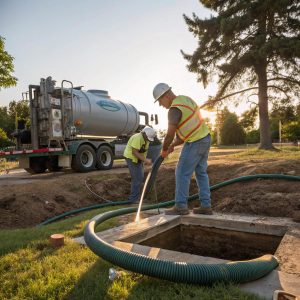
Local projects change faster when old structures come down on time and the debris goes away without drama. That is basically what good excavation services do. They clear space, control risk, and keep schedules from falling apart. It sounds simple, but if you have ever watched a renovation stall because of a slow cleanup, you know it is not.
I think many people still picture demolition as just smashing things and loading a few trucks. In practice, it is closer to a chain of small decisions that affect safety, budgets, and even how your street looks for a few weeks. Once you notice that, you start to see why some projects move smoothly while others feel stuck in mud.
Why demolition and hauling matter more than people think
Let me start with a basic point: nothing new gets built until something old gets out of the way. That might be a house, a cracked driveway, a failing parking lot, or a half-collapsed shed behind a store. Demolition and hauling sit right at that first step.
When they are handled well, you see a few clear effects:
- Work sites are safer for workers and for neighbors.
- Timelines are more realistic and less chaotic.
- Waste is sorted, recycled, and handled with fewer surprises.
- Neighbors complain less about noise, dust, and blocked roads.
Good demolition shortens the messy phase of a project and brings you to the building phase faster.
That might sound obvious, but people often treat demolition as an afterthought. They pick the cheapest quote, hope for the best, and then wonder why everything takes longer. You might have seen this on your own street: a project that looked small ends up sitting half torn down for weeks.
How demolition fits into local projects
Different projects use demolition differently. A large retail teardown is not the same as a small garage removal, even if they share some tools and methods. I will break it down a bit, since it helps to look at real situations.
Small residential projects
These are things you might deal with yourself:
- Removing an old shed or detached garage
- Pulling out a broken concrete patio or steps
- Taking down interior walls during a remodel
- Clearing a small house before a full rebuild
For these, the impact is close to home. You care about:
- Protecting nearby trees, fences, and neighboring yards
- Keeping debris from lying around for days
- Noise at early hours or late at night
- Parking and truck access on narrow streets
I remember watching a neighbor try a DIY shed demolition. It looked simple at first. Half a day later, the yard was covered with twisted metal and broken wood, and they were searching online for a hauling service anyway. Sometimes paying a bit more upfront shortens the stress.
Residential demolition is not just about what comes down, but how quickly your home feels normal again.
Commercial and municipal projects
Larger local projects touch more people, sometimes an entire block:
- Tearing down part of a shopping center
- Removing an old warehouse
- Clearing a small city building for a new facility
- Ripping out failed parking lots and sidewalks
Here, timing and coordination matter more. Businesses want to stay open. Cities want streets clear. Residents want noise to be predictable, not random. This is where demolition and hauling become part of local news, even if just briefly.
You might see road closures, detours, or temporary fencing. People ask questions: How long will this last? Where is the debris going? Will there be dust?
With bigger projects, demolition turns into a public issue, not just a construction step.
The link between demolition, hauling, and project timelines
One thing many people underestimate is how cleanup affects the rest of the schedule. Demolition without steady hauling backs up fast. Piles grow, safety drops, and other trades cannot start work.
If you look at a basic timeline, it often looks something like this:
| Stage | What happens | What can go wrong |
|---|---|---|
| Planning | Site checks, permits, utility locates | Missed utilities, incomplete surveys |
| Demolition start | Structural teardown begins | Hidden issues, bad access for equipment |
| Ongoing hauling | Debris loaded and removed as work continues | Not enough trucks, disposal site delays |
| Final cleanup | Sorting, sweeping, grading if needed | Leftover debris that blocks next trades |
If hauling falls behind at the third stage, everything else stacks up. You might have an excavator on site doing nothing because there is nowhere to place more debris. That costs real money, not just patience.
Safety and risk when things come down
People often talk about safety in general terms. I think it helps to be more direct. When structures come down, a few risks always show up:
- Unexpected structural collapse in the wrong direction
- Hidden asbestos, lead, or mold in older buildings
- Underground utilities that were not clearly marked
- Nails, rebar, and sharp metal left on walking paths
Good crews manage these in small, steady steps. That might mean closing a sidewalk for a day instead of trying to work around pedestrians. It can feel annoying if you are walking by, but the alternative is worse.
Also, hauling is part of safety, which people sometimes forget. Overloaded trucks, unsecured loads, or badly chosen routes can turn a good site into a neighborhood problem fast.
How demolition and hauling affect the environment
Most communities now care more about where debris ends up. I think that is a good sign, even if the process is not perfect yet.
From a local view, three questions stand out:
- How much is being recycled instead of dumped?
- How are dust, noise, and mud being controlled?
- Are hazardous materials handled separately and not mixed in?
Some materials are easier to reuse or recycle:
| Material | Common handling |
|---|---|
| Concrete | Crushed for base material under roads or slabs |
| Steel | Sorted and sent to metal recyclers |
| Clean wood | Reused, mulched, or sent for energy use |
| Mixed debris | Sorted at transfer stations, part goes to landfill |
| Hazardous materials | Handled under specific rules, kept separate |
When demolition and hauling are planned together, recycling is easier. Loads can be sorted on site, or at least separated better. When they are treated as two separate tasks, materials often end up mixed and harder to recover.
Local jobs and small business effects
People sometimes forget that demolition and hauling companies are often small or mid-sized local businesses. They hire equipment operators, drivers, mechanics, and support staff from the same region where they work.
This affects local news in quiet ways:
- City contracts can support or strain local firms.
- New developments bring extra work, but also more traffic and noise.
- Regulations around waste and hauling push companies to upgrade equipment.
You might see debates at city council meetings about truck routes, disposal fees, or noise rules. Behind those debates, there are usually a few local demolition and hauling companies trying to keep up with changing rules while staying profitable.
Planning a project: what regular people should ask
If you are not in construction, all this can feel a bit abstract. Still, homeowners and small business owners often end up hiring demolition and hauling help at some point. A few direct questions can save a lot of frustration.
Key questions to ask a demolition and hauling provider
- What exactly is included in your price? Demolition only, or hauling and final cleanup as well?
- How many trips do you expect to make with debris?
- Where will the waste go? Can anything be recycled?
- How will you protect nearby structures, sidewalks, or landscaping?
- What hours will you work, and how loud will it be?
- What happens if you uncover hidden problems, like asbestos or unstable soil?
If a company cannot answer these in plain language, that is a sign to question their fit. You do not need perfect answers, but you do need clear ones.
Common mistakes people make
From what I have seen and heard, a few patterns repeat:
- Choosing based only on the lowest quote without checking scope
- Not asking about permits or utility disconnects
- Assuming cleanup includes grading or site prep when it does not
- Ignoring neighbors until complaints start
On that last point, a short note to neighbors can go a long way. A simple printed notice with dates, times, and a contact number reduces tension. It costs little and shows some respect.
How technology quietly changes demolition and hauling
I know “technology” sounds big, but I am not talking about anything dramatic here. The changes are more practical than flashy.
- Better dust control systems on equipment
- Quieter machines than older models
- GPS tracking on trucks so routes are planned better
- Stronger attachments for excavators that can sort materials while they work
These do not make headlines, but they shape local projects. For example, if trucks are tracked and scheduled carefully, your street is not blocked as often. If equipment is newer and quieter, nearby homes are less affected.
I think people sometimes expect huge leaps, like fully automated demolition. Reality is slower and more gradual. Small upgrades, one machine at a time, slowly change how projects feel on the ground.
Regulations, permits, and the public
Another area that often gets ignored in casual conversations is permits. Demolition and hauling sit under a mix of local and state rules, and they change over time.
Common requirements include:
- Demolition permits from the city or county
- Proof of utility shutoff or disconnects
- Traffic control plans for larger projects
- Documentation for asbestos or other hazardous material removal
When these are handled well, neighbors might barely notice, apart from some noise and trucks for a few days. When they are not, you see more headlines about unsafe teardowns, debris blowing into streets, or unlicensed hauling to restricted dumps.
In that sense, the rules are not just red tape. They are how communities try to balance progress with safety and basic comfort.
Cost, time, and the hidden tradeoffs
People often ask a simple question: Why is demolition so expensive? I think part of the answer is that they only see machines moving around for a short time. The hours of planning, sorting, hauling, and dumping fees are less visible.
Here is a rough breakdown of what goes into a typical price:
| Component | What it covers |
|---|---|
| Labor | Operators, laborers, drivers, supervision |
| Equipment | Excavators, skid steers, loaders, attachments |
| Trucking | Haul trucks, fuel, driver time, maintenance |
| Disposal fees | Landfill, transfer station, or recycler charges |
| Permits and compliance | Permits, inspections, documentation |
| Overhead | Insurance, office, scheduling, wear and tear |
So when a quote looks strangely low, something is probably missing. Maybe disposal is not included. Maybe hazardous material rules are ignored. A cheaper price on day one can show up later as surprise charges or delays.
How demolition and hauling affect your neighborhood day to day
If you care about local news and quality of life, it helps to notice a few patterns around demolition sites in your area.
Watch for:
- How clean trucks are when they leave the site
- Whether streets are swept after heavy hauling days
- Noise outside of agreed hours
- Dust control, especially on dry and windy days
Small things like wheel wash stations or street sweepers can make a difference. They show that crews care about what happens outside the fence, not just inside it.
If you see repeated problems, most cities have a contact point for construction concerns. It is not about trying to stop progress, but about asking for better practices that respect everyone around the project.
Future trends: what might change in the next few years
I do not think demolition and hauling will suddenly look unrecognizable, but a few shifts seem likely.
- More sorting and recycling to meet new waste rules
- Quieter, cleaner equipment, especially in dense areas
- Stricter tracking of where debris ends up
- More pressure from residents about noise, dust, and truck routes
Some cities already require higher recycling rates for construction and demolition waste. That pushes companies to adjust how they load trucks, choose disposal sites, and manage time on site.
There is a bit of tension here. Better sorting takes longer and can cost more, at least at first. But it reduces what goes to landfills and, over time, can turn waste into material for other projects. Whether you support that tradeoff or not might depend on how much you care about long term waste problems compared to short term project costs.
Questions people often ask about demolition and hauling
How long does a typical house demolition take?
For a small to mid-sized house, the visible teardown might only take one or two days. But if you include utility shutoffs, permits, hauling, and final cleanup, the whole process often runs one to three weeks. Larger or more complex houses can take longer.
Is it cheaper to do my own demolition?
Sometimes, for very small projects, like removing a small deck or a few interior finishes, doing it yourself can save money. For anything structural, heavily built, or near utilities, the risks grow quickly. One mistake with a gas line or a load-bearing wall can erase any savings. So I would say DIY fits only very limited situations.
What happens to all the debris?
Concrete and metal often go to recyclers or crushing plants. Clean wood has some reuse options. Mixed debris usually goes to transfer stations where it may be sorted more, then some portion ends up in landfills. Hazardous materials follow their own strict paths. The exact mix depends on local rules and what your contractor has set up.
How can I tell if a company is handling things responsibly?
Ask direct questions about where waste goes, how recycling is handled, and what kind of permits they pull. Look for clear answers, not vague talk. You can also check licenses and reviews through local government sites or basic online searches.
Why do some projects seem to sit half demolished for weeks?
There are several possible reasons. Sometimes crews are waiting on inspections or utility confirmations. Other times, they might be juggling too many jobs and short on trucks or workers. Money issues can also slow things down. It is not always mismanagement, but when communication is poor, it certainly feels that way from the outside.
What should I ask myself before starting a demolition project?
Three simple questions help frame it:
- What exactly needs to be gone, and what must stay protected?
- How will this affect my neighbors and the street around me?
- Am I clear on who handles permits, utilities, and final cleanup?
If you cannot answer those yet, you are not ready to start, no matter how eager you are to see the old structure gone.