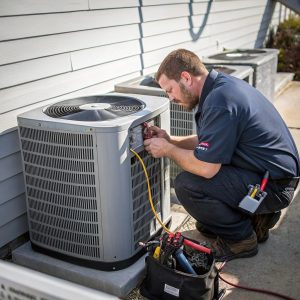
If you live in the city and your furnace quits on a cold night, you probably do not care about trends or technology. You just want warm air again. Smart heating repair is really just about getting quick, accurate help, avoiding repeat problems, and not paying for work you do not need. That is what most Colorado Springs homeowners need from any heating repair Colorado Springs CO service, whether they talk about smart tools or not.
Still, heating has changed a lot in the last few years. Some of it is hype, but some of it actually helps. The part that affects you most is simple: good diagnostics, honest communication, and repairs that take long term comfort and energy bills into account, not just the emergency of today.
I will walk through what smart heating repair really looks like in day to day life, how to tell if your system needs help, and a few ways to keep from getting stuck in a no-heat situation again. I will also touch on how this fits into broader home and local news, because energy use and reliability are not just private concerns anymore. They affect neighborhoods, power grids, and even local policy debates.
What “smart” heating repair actually means in real homes
Some companies throw the word smart around just because they carry Wi-Fi thermostats. That is not enough. You can have a fancy thermostat and still get poor repair work.
Smart heating repair, at least in a practical sense, usually includes a few things:
- Better diagnosis using modern tools and data
- Clear, simple explanations of what failed and why
- Repairs that look at long term cost, not only the cheapest fix today
- Attention to safety and local climate, not just the equipment
- Some kind of way to track or plan for future issues
You might notice that most of that has nothing to do with apps. It is more about how the tech or technician thinks and works.
Smart heating repair is less about gadgets and more about making fewer guesses, fewer repeat visits, and fewer surprises on your bill.
That is what people want, even if they never touch a smart thermostat in their life.
Why heating repair feels different in Colorado Springs
Heating in Colorado Springs is its own story. The weather swings, the altitude, and even the local housing stock all change what repair work looks like.
Rapid weather swings
You can have a sunny day that feels mild and a sharp drop at night that freezes everything. That on and off pattern can stress older furnaces and heat pumps more than a steady winter in some other cities.
This means:
- Short, intense usage can hide problems until the coldest nights
- Systems may cycle on and off more often, wearing parts faster
- Homeowners may delay service after a cold spell, then get caught when it returns
Altitude and dry air
Higher altitude changes how gas appliances burn fuel. Most good HVAC companies know this, but not every piece of internet advice fits here. Some DIY videos or blogs are written for sea level conditions and can send you in the wrong direction.
The dry air here also affects comfort. You might run your furnace harder because your home feels colder at the same thermostat setting. Sometimes what feels like a heating problem is partly a humidity problem.
Mix of new and older homes
Colorado Springs has older neighborhoods with older ductwork, newer builds with tight envelopes, and everything in between. That mix matters.
| Home type | Common heating issues | Smart repair angle |
|---|---|---|
| Older homes | Drafts, uneven heating, outdated furnaces, old ducts | Balancing airflow, safety checks on old equipment, step by step upgrades |
| Newer homes | High efficiency units, more electronics, warranty concerns | Manufacturer-level diagnostics, firmware issues, careful part selection |
| Remodeled homes | Mixed equipment, awkward duct changes, zoning problems | System-wide evaluation, finding hidden bottlenecks in airflow |
This is where smart repair starts to overlap with general home advice and even local news. When the city talks about energy use, building codes, or incentives, a lot of that plays out in how your heating system is inspected and repaired.
Common heating problems that actually need a pro
There are small issues you can handle yourself, like changing filters. Then there are the ones that get risky or expensive if you guess wrong. People sometimes try to fix everything with YouTube, but heating systems are not phone apps.
Burning smell when the furnace starts
At the start of the season, a mild dust smell can be normal. If it smells like burning plastic, or it keeps coming back every time the system runs, that is different.
- Possible cause: dust on heat exchanger (short term, often harmless)
- Possible cause: electrical issue in blower motor or control board
- Possible cause: something trapped in ducts or near vents
You can take a quick look around vents and the furnace area. If you do not see anything obvious and the smell is strong, it is time to stop using the furnace and call someone. I know that sounds dramatic, but electrical fires are not something to test.
If your nose tells you something is wrong with your furnace and the smell is new, listen to it before you push the system harder.
Furnace keeps shutting off and on
Short cycling is common and has many causes. Some are simple, some are not.
It might be:
- A clogged filter
- A thermostat in a bad spot, like near a supply vent or in direct sun
- A failing flame sensor
- Overheating due to poor airflow
You can change the filter and see if that helps. If it does not, repeated short cycling can crack a heat exchanger or damage the blower. That is where smart diagnostics matter. A good tech should not keep swapping parts at random.
Strange noises
Rattles, bangs, squeals, and grinding sounds all point to different problems. It is hard to describe sounds in text, but here is a rough guide.
| Sound | Possible cause | Urgency |
|---|---|---|
| High pitched squeal | Worn belt, motor issue | Schedule service soon before it fails completely |
| Grinding | Motor bearings failing | Stop use and call, can lead to major damage |
| Loud boom at startup | Delayed ignition, gas buildup | Serious safety concern, needs prompt inspection |
| Light rattling | Loose panels or duct sections | Less urgent but still worth checking |
In real life, people often ignore small sounds until they get louder. That is human. Then the repair becomes larger and more expensive. Smart repair tries to catch problems earlier, but that only works if you call before the system is half broken.
How smart tools change heating repair (a bit)
Smart thermostats and connected sensors are not magic, but they can help both you and the technician.
Data from smart thermostats
A modern thermostat can show:
- How often your system runs
- How long each cycle lasts
- When your home does not reach the set temperature
If you pay attention, you can spot changes. Maybe your furnace used to run in 10 minute stretches and now it runs for 25 minutes on similar days. That might hint at a loss of capacity, duct issues, or something more subtle.
Some techs will even look at that history when they arrive, instead of guessing based on a single visit. That is helpful. Not every company takes advantage of this, but the ones that do often find issues faster.
Remote troubleshooting
There are situations where a tech can talk you through simple steps while you stand near the system. Resetting a breaker, checking a switch on the furnace cabinet, or verifying thermostat settings can sometimes save a trip.
To be honest, this only works well when both sides are patient. If you feel rushed or confused, it can create more stress than help. A good company will know when to stop talking and just send someone.
Smart repair should save you time and stress, not turn you into unpaid technical support for your own furnace.
Balancing repair, replacement, and your budget
One of the hardest parts of heating repair is deciding when to stop fixing and start planning for replacement. Technicians sometimes push replacement too fast. Homeowners sometimes cling to old units for too long. Both sides have reasons.
Questions to ask about repair vs replacement
You can ask your technician a few direct questions. If they avoid clear answers, that tells you something.
- How old is the unit, based on the serial number, not just a guess?
- What is the typical life span of this model in our climate?
- What parts have already been replaced in the last few years?
- What repairs do you think are likely in the next 2 to 3 years?
- If this were in your home, would you repair or replace, and why?
You will not always love the answers, but at least you get a clearer picture. And if one company pushes replacement hard and another does not mention it at all, that split can be a sign that you should think for yourself and not just follow either side blindly.
Simple rule of thumb
People often quote rules like “if repair costs 50 percent of replacement, get a new unit.” That is a bit too neat for real life. Things are more messy.
A more practical approach can be:
- If the unit is under 10 years old and has a clean history, repair usually makes sense
- If the unit is over 15 years and repairs are stacking up, start planning for replacement even if you repair this time
Smart repair is honest about these tradeoffs instead of hiding them. A good tech will sometimes fix a unit and still tell you, quietly, that you should not rely on it for too many more winters.
What Colorado Springs homeowners can do before calling
A lot of no-heat calls come from simple causes. You do not need to become your own HVAC expert, but a short checklist can save you time and maybe money.
Basic checks that are usually safe
- Make sure the thermostat is on Heat and set above current room temperature
- Check thermostat batteries if it has them
- Check that the furnace switch (often looks like a light switch) is On
- Inspect the breaker panel for a tripped furnace or HVAC breaker
- Replace or clean the air filter if it is dirty
- Look around the furnace for obvious signs of water leaks or burning
If all of that looks normal and the system still does not run, calling is the next step. Guessing further can create new problems.
Things you should not try without training
- Adjusting gas valves or lines
- Opening sealed burner compartments
- Bypassing safety switches
- Rewiring thermostat controls beyond simple replacement
- Resetting high limit switches repeatedly
Some DIY guides suggest these moves. They can be risky in any city. At Colorado Springs altitude, combustion issues and venting problems can be less forgiving.
Preventive care that feels realistic, not idealistic
Everyone says you should have yearly maintenance. Some people do. Many do not. Life gets busy, money is tight, or you just forget. That is normal.
Instead of feeling bad about it, think about what you can reasonably do.
Simple habits that help a lot
- Change filters regularly, not perfectly, but often enough that they never look clogged
- Keep supply and return vents clear of furniture, rugs, and boxes
- Listen for changes in sound or performance, not just total failures
- Make a note on your phone when you last had professional service
If you can add one scheduled visit per year, great. Fall is often better than mid-winter, because you can catch problems before the busiest time.
How this ties into bigger issues
Local news often talks about strain on the power grid during hot summers. Winter heating is a similar story, just less dramatic in headlines. When a lot of older systems are running poorly, they draw more gas or electricity. That cost lands on you, but it also affects utility planning and rates.
There are also rebate programs for high efficiency equipment or smart thermostats from time to time. Those programs change, and sometimes the paperwork is annoying. A good heating company in Colorado Springs will usually know what is current and what is not worth your time.
How to pick a heating repair company without just guessing
Searching for HVAC service in Colorado Springs gives you a long list. They all claim to be the best. You know they cannot all be right.
Signs of a reliable repair service
Look for things you can verify, not just nice words.
- Licensing and insurance details that are easy to find
- Clear pricing structure, at least for diagnostic visits
- Real reviews that mention specific situations, not just generic praise
- Techs who explain options instead of pushing the most expensive one
- Willingness to repair when it makes sense, not just sell new units
It can also help to ask neighbors or coworkers, but personal stories can be mixed. One person may love a company that another person dislikes. That does not mean either one is lying. Experiences vary by technician, time of day, and even the mood you are in when something breaks.
Questions to ask on the phone
When you call, you can keep it simple:
- Do you work on my brand and type of system?
- What is your diagnostic fee, and does any part of it go toward the repair?
- Do you offer after hours service, and how is it priced?
- Will the technician be able to show me what failed, not just tell me?
You do not need a long interview. Just listen for honest, direct answers. If someone seems annoyed by basic questions, that attitude might carry over into the work too.
Energy bills, comfort, and why repair choices matter more now
The cost of energy is in the news every year. Rates change, supply issues pop up, and people feel the impact when bills arrive. Heating repair plays into that more than most homeowners think.
Repair choices that affect your bill
Some examples:
- Fixing a blower issue can improve airflow and reduce run time
- Repairing a stuck damper can even out temperatures and reduce overuse in cold rooms
- Updating an old single speed motor to an approved variable speed replacement can lower electricity use
- Correcting bad thermostat placement can prevent overheating and wasted fuel
These are not grand upgrades. They are small choices during repair visits that tilt your system toward more stable, lower energy use over time.
Comfort is part of the equation too
People tend to tolerate uneven rooms and cold spots because they think that is normal in winter. Sometimes it is, especially in older homes. Other times, it is a sign that ducts need adjustment, dampers are wrong, or the system is oversized or undersized.
Smart heating repair does not promise a perfect house. It just looks beyond the single broken part when the tech is already in your basement or utility room. If you mention that one room is always cold, that can guide the tech to look at more than just the furnace itself.
Quick FAQ: Straight answers to common Colorado Springs heating questions
How often should I have my furnace checked in Colorado Springs?
Once a year is a good target. If you miss a year, do not panic, but try not to let it slide for three or four years in a row. The more years you skip, the higher the chance that a small problem turns into a middle of the night breakdown.
Is a smart thermostat really worth it for my home?
It depends on your habits more than your house. If you like to adjust settings, track usage, or set schedules, a smart thermostat can save some money and add comfort. If you always leave it at one temperature and never change it, the benefit is smaller. In that case, a simple, reliable thermostat is fine.
Why does my furnace work fine some days and not others?
Cold swings and wind can expose weak spots in your system. On mild days, your furnace may seem fine. On very cold nights, it might struggle. Issues with marginal capacity, airflow, or ignition often show up only when the system is under stress.
Can I safely run space heaters if my main heat is down?
You can use a small number of space heaters for short periods if you follow the instructions carefully, keep them away from flammable materials, and avoid overloading outlets. They are not a full replacement for central heat and can create fire risks if misused. They are a stopgap, not a solution.
How do I know if a heating company is pushing me to replace too early?
If your unit is under 10 years old and they recommend replacement without a clear, serious failure, that is a warning sign. Ask them to show you the damaged part or explain why repair is unsafe or not possible. If answers are vague, consider a second opinion.
What should I ask the technician while they are at my home?
You can ask:
- What failed, and can you show me?
- Was there anything I could have done to prevent this?
- Are there any parts that look worn but are still working for now?
- Do you see anything that might cause trouble this winter?
These questions can turn a stressful repair visit into a chance to understand your system better.
Is it really worth paying more for “smart” repair services?
Sometimes the word is just marketing, so paying more just for that label does not make sense. What is worth paying for is careful diagnosis, clear communication, and fair recommendations. If a company offers those things and uses smart tools on top of that, fine. If all they offer is buzzwords, then no, it is not worth extra money.