
The train is still an hour from the coast when I notice that my calendar has a gap on Thursday afternoon and my bag has a laptop, two chargers and nothing I could get wet. A free afternoon on a work trip is easy to waste. Planning a Caroline Marks sufer session at a Florida surf park’s academy of that name is easier when the phone, the laptop and the inbox each have a plan before I do.
Carry-on version
- Block the session like a meeting, with buffer time on both sides.
- Decide what stays in the room and what comes along.
- Set the phone to quiet, not off, and tell one colleague.
These are notes on the logistics, not on surfing itself. The lesson belongs to the people who teach it; the part I can control is everything around it, from the hotel desk to the drive back.
What I noticed
Note 1: the calendar thinks I’m still at my desk
My work calendar knows I’m traveling, but it doesn’t know what I do with the gaps. Left alone, it offers that Thursday slot to anyone who asks, and someone always asks. On the road, a free afternoon is a target. Back home, the same gap would simply fill with errands, and nobody would notice.
The fix is boring: a calendar block with a plain title, set to show me as busy, with travel time on either side. I don’t need to explain it. I just need it to exist before the invitations arrive.
Two or three hours offline on a weekday means a short stack of messages when I come back. That stack is fine. What isn’t fine is checking it in fragments, between sets, with the phone balanced on a towel. An out-of-office note for the afternoon, even a short one, sets expectations and lets me read everything once, in order, from the hotel desk.
Note 2: my phone wants to come everywhere
The phone is my boarding pass, my hotel key, my map and my office. The habit of keeping it within reach is so strong that I catch myself planning where it will sit while I’m in the water. That is the wrong question. The right one is which of those jobs it actually needs to do for the next few hours.
Once I list them, the answer gets short. It needs to get me there, get me back, and be reachable for one person if something breaks at work. Everything else can wait in a locked room or a zipped bag.
Back home, I’d never think about this. The phone sits in the kitchen while I’m in the garden, and the world carries on. On the road, the same phone feels like the only thread connecting me to my flight, my room and my job, which is exactly why it helps to decide its role before I leave the hotel instead of improvising at the edge of the water.
Note 3: the laptop is the thing I worry about most
What strikes me about a wave pool is how predictable it makes the water: no tide tables, no guessing at the forecast. The unpredictable part is me, coming back damp, tired and carrying a bag. A laptop in a rental car on a hot afternoon is a bad idea. A laptop left open on a hotel desk with a work session still logged in is a different kind of bad idea.
So the laptop stays in the room, shut down rather than asleep, in the safe if there is one or in a bag out of sight if there isn’t. That decision takes ten seconds and removes most of my worry.
Why it matters
Work travel compresses everything. Meetings run across time zones, the hotel Wi-Fi is fine until it isn’t, and a few hours away from the desk can feel larger than they are. A planned session in the water works best when the rest of the day doesn’t follow me into it. The mechanism is simple: every device I bring is a device I have to watch, and every notification I leave on is a decision I’ll have to make with wet hands.
There’s also the plain physical side. Water, salt or chlorine, sunscreen and heat are hard on electronics. Phones are more resistant to splashes than they used to be, but resistance is not a promise, and I’d rather not test it on a business trip where the phone is also my boarding pass home. Heat is the quieter risk; a car parked in the Florida sun gets hot quickly, and batteries don’t like that.
Connectivity is the third piece. Inland Florida away from the cities can mean patchier signal than I’m used to, and I don’t want to discover that during the drive back while trying to load a map. Downloading the route and any confirmation details in advance means the phone can do its job even when the signal can’t.
Finally, there’s the people side. Colleagues handle an unexpected afternoon away far better when they know about it in advance. A short message saying I’m offline for a few hours, with a way to reach me for something urgent, protects the session more than any gadget does.
| Low-tech option | Connected option | |
|---|---|---|
| What it does | A zipped dry bag with keys and a card; phone stays in the room | Phone comes along in a waterproof pouch, set to allow calls from one contact |
| Setup effort | A minute of packing | A few minutes of focus settings and an offline map |
| Who it suits | Anyone whose work can genuinely wait a few hours | Anyone on call, or traveling alone and wanting a way to be reached |
The return trip deserves the same attention as the departure. I tend to schedule a call too soon after anything physical, then join it with wet hair, a phone at a low charge and a laptop that wants twenty minutes of updates. A realistic gap, a car charger and a laptop left fully charged in the room make the first meeting after the session feel like any other meeting.
Neither column is better. The point is to choose one on purpose instead of drifting into the second without the preparation.
What I’d do
- Block the time early. Put the session on the work calendar as busy, with travel time before and after, as soon as the slot is confirmed.
- Read the booking details at the hotel desk. Check what the academy asks guests to bring and when to arrive, and save that page or a screenshot for offline use.
- Download the route. Save an offline map for the drive there and back, so a weak signal doesn’t matter.
- Set a focus mode for one person. Allow calls from a single colleague or family member, silence everything else, and tell that person the window.
- Lock up the laptop. Shut it down, sign out of anything sensitive, and leave it in the room safe or out of sight, never in a parked car.
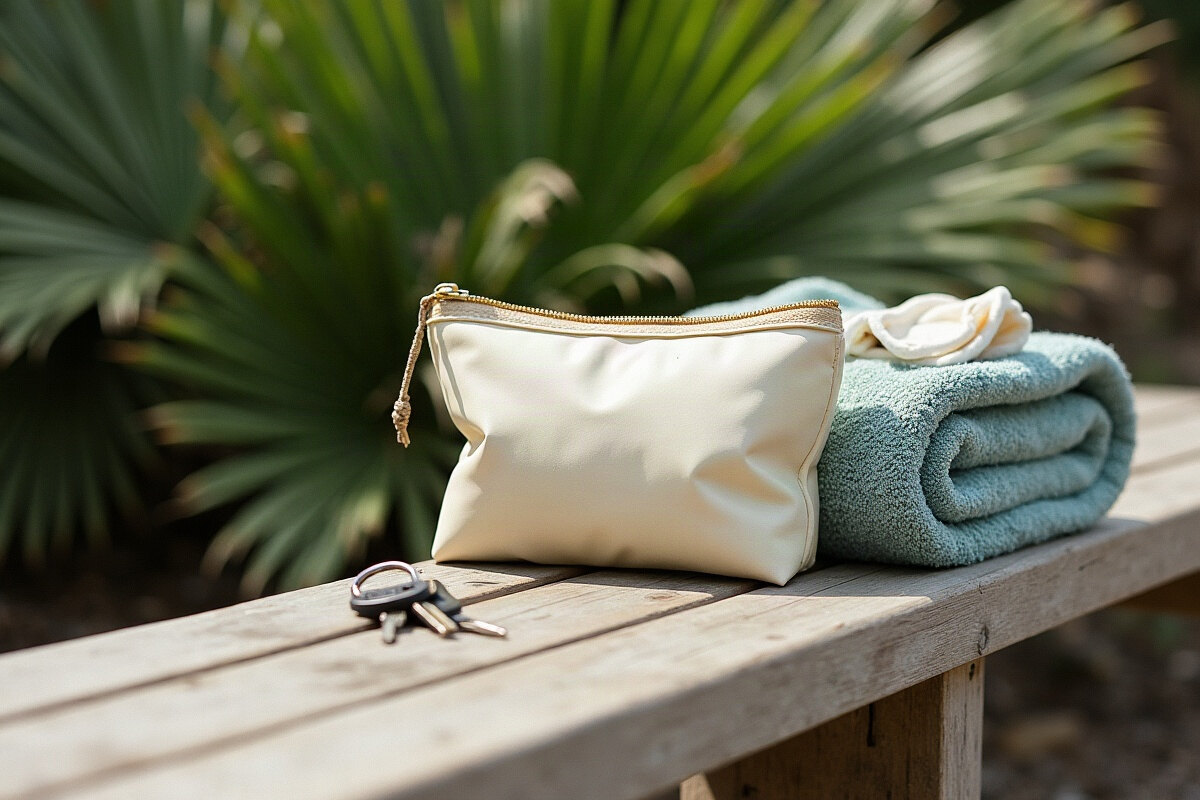
- Pack a small dry kit. Keys, a card, a charger cable for the car and a towel go in one zipped bag, so nothing important ends up loose on a bench.
Last note
Next trip, I’ll look for the gap in the calendar before I pack, not after, and I’ll leave room in the bag for something that can get wet. The laptop always comes home fine. It’s the free afternoon I tend to lose.