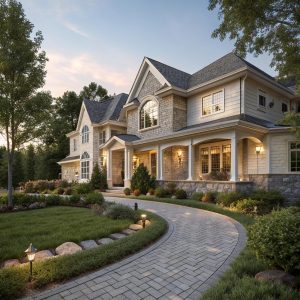
If you have an outdoor space that feels a bit plain or hard to use, then hardscaping can help you use that space smarter. And if you live in or near Appleton, there are local companies, like hardscaping Appleton, that focus on turning regular yards into more practical outdoor areas you can actually enjoy.
That is the short version. Hardscaping is about using solid, built elements like patios, walkways, walls, and steps. It is not just about looks. It is about function, safety, and sometimes saving time on yard work. I think a lot of people still see it as a luxury, but for many homes it is a very practical upgrade.
What hardscaping actually is (without the buzzwords)
Hardscaping is any non-living, built feature in your yard. If it is stone, concrete, brick, pavers, gravel, or wood that shapes the space, that is hardscaping.
Softscaping is the opposite. Grass, plants, trees, flowers. The living side.
You do not need to pick one or the other. Smart outdoor upgrades usually mix both. A small lawn, a couple of trees, then a patio where you can sit. Simple. No fancy design talk needed.
Smart outdoor upgrades focus on solving real problems first, then making the space look good second.
So if you are thinking about changes to your yard, it can help to ignore trends for a moment and ask simple questions:
- Where do you walk the most?
- Where is the mud or water collecting?
- Where do you actually sit or relax?
- Where is it unsafe or annoying, like a steep hill or uneven ground?
These answers point to where hardscaping can make sense. Not just as decoration, but as a fix.
Why so many people are turning to hardscaping in cities and suburbs
You might feel like more yards are getting paved over. Sometimes that is true, and not always in a good way. But there is also a quiet shift toward smarter outdoor use. Smaller lawns. Less mowing. More areas where people can sit, cook, or work outside.
Some reasons are obvious. People spend more time at home. Remote or hybrid work means you might want a spot outside to read or join a video call. A simple, well planned patio or small stone terrace can help with that.
There is also a maintenance angle. Lawns take time. Water. Mowing. Fertilizer. If you replace a patch of grass with a paved or gravel space, you are trading that upkeep for something more stable. It is not always better, but in many cases it is easier.
Hardscaping does not have to be big or expensive. A single path or a small sitting area can change how you use your yard.
There is a downside, which people rarely say out loud. Too much hard surface can cause more water runoff and heat buildup, especially in dense neighborhoods. So the smart move is balance. A mix of solid surfaces and greenery.
Common hardscaping features that actually get used
Not every outdoor project pays off in real life. Some look impressive and then sit empty. To avoid that, it helps to focus on features people tend to use day after day.
Patios and seating areas
Most families that add a patio use it a lot at first. The trick is making it fit your habits so you keep using it for years.
You might ask yourself:
- Do you eat outside or just sit with a drink?
- How many people usually sit there at once?
- Do you need shade at certain times of day?
- Do you want a fire pit, or will that be more of a novelty?
I once helped a friend think through her small backyard. She wanted a huge dining table outside. After a bit of talking, she admitted she almost always ate on the couch indoors and just wanted a quiet spot outside for reading. She ended up with a small stone patio and two comfy chairs. No table. It looked almost too simple, but she used it every single day when the weather worked.
Walkways and paths
Paths might feel boring compared to outdoor kitchens or fancy patios. Still, a clear, dry way to cross the yard is one of the most useful upgrades you can make.
Think about these spots:
- From driveway to front door
- From back door to trash bins
- From house to shed or garden
- A simple loop for walking, if the space allows it
When those routes are dirt or patchy grass, rain turns them into mud. Snow and ice can also stick longer. A simple paver or gravel walkway can help more than some people expect.
Retaining walls and terraced yards
If you have slopes, hills, or soil that keeps sliding, retaining walls are not just about looks. They hold things in place.
In older neighborhoods or in areas with uneven ground, a short wall can turn an awkward slope into a flat sitting area or a small garden level. That is a real change, not just cosmetic.
Retaining walls are one of those upgrades that solve a problem and also create new space you can actually use.
There is a catch. Walls need proper drainage behind them. If water collects, the wall can fail over time. This is one area where guessing or cutting corners can cause bigger costs later.
Driveways, parking pads, and side yards
Not the most glamorous area, but very practical. A cracked driveway, muddy parking strip, or narrow side path makes everyday life just a bit more annoying.
Sometimes a simple gravel pad next to the garage solves a daily struggle with street parking. Or a widened paver section lets two cars park side by side without tearing up the lawn.
How hardscaping affects your home value and day to day life
People often ask if hardscaping “pays for itself.” The honest answer is that it depends on your area, your home price range, and the quality of work. But we can break it into two parts.
Financial value
A clean, well kept outdoor space usually helps with resale. A cracked patio or sinking wall does not. Pretty simple.
Real estate agents often agree on a few points, even if they do not phrase them the same way:
- Buyers like usable outdoor areas, not just big lawns.
- Outdoor seating or dining spaces feel like an extra room.
- Solid, low maintenance features can be a selling point.
Does that mean you will get back every dollar? No guarantee. But if you choose projects that solve real problems and avoid odd, personal designs, your odds are better.
Daily value
To me, this part matters more. Do you step outside more often? Is the yard safer for children or older relatives? Does it reduce stress a bit?
Some everyday gains:
- Less mud tracked into the house
- A place to sit with coffee or a book
- Fewer tripping hazards
- Easier snow clearing on defined paths
These are small things, but they stack up over years. That is where hardscaping can feel like a smart upgrade instead of just another home project.
Planning smart hardscaping in Appleton and similar climates
Appleton and other Wisconsin cities deal with freeze and thaw cycles, snow, ice, and periods of heavy rain. Those conditions shape what counts as “smart” when it comes to outdoor upgrades.
Frost, heaving, and material choices
Ground in colder regions moves through the seasons. It freezes, expands, thaws, and shifts. If you ignore that, patios and paths can heave, tilt, or crack.
Some points to think about when planning:
- Concrete can crack if poured thin or without good base prep.
- Pavers can shift if the base material is not deep or compacted enough.
- Natural stone varies in strength; some types hold up better in freeze cycles.
You do not need to be a builder to understand all the details, but it does help to ask how your project handles frost. If the answer feels vague, that is a warning sign.
Drainage and water control
Water has to go somewhere. When you add more hard surfaces, rain that once soaked into grass may seek new paths. Sometimes those paths lead right toward a foundation or a neighbor’s yard.
Simple drainage planning can prevent that:
- Light slope away from the house on patios and paths
- Gravel or permeable pavers in parts of the yard
- French drains or dry creek beds in low spots
These choices are not just technical details. They affect how your yard handles storms and snow melt year after year.
Comparing common hardscaping materials
People often feel stuck on this question: concrete, pavers, or natural stone? There is no one correct answer, but a simple comparison helps.
| Material | Typical uses | Strengths | Tradeoffs |
|---|---|---|---|
| Concrete slab | Driveways, basic patios, sidewalks | Usually lower cost per square foot, quick to install | Can crack, repairs are more visible, looks plain if not finished well |
| Concrete pavers | Patios, walkways, driveways | Individual units can be replaced, many styles, flexible with movement | More prep work, needs good base, can shift if not installed well |
| Natural stone | High end patios, steps, paths, walls | Distinct look, long lasting when installed correctly | Higher material cost, more labor, not every stone suits harsh climates |
| Gravel | Paths, parking pads, casual patios | Low material cost, easy to adjust or expand | Can migrate, needs edging and occasional refilling |
It is easy to pick only by looks. I think that is a mistake. Try to match material to use. Heavy vehicles, frequent shoveling, or many freeze cycles might favor one surface over another.
Smaller, smarter hardscape projects you can start with
You do not need a full yard makeover to benefit from hardscaping. In fact, starting small is often smarter, both for budget and for figuring out what you really use.
A defined entry path
If you currently walk over grass or cracked concrete to reach your door, a simple paver or stone path can make a clear difference.
- Less mud and dirt tracked inside
- Safer footing in rain or snow
- Cleaner, more cared for look from the street
Some people choose wide paths so two people can walk side by side. Others go narrow and more relaxed. Both can work, but thinking about how you actually move helps.
A compact sitting area
Large patios look nice in photos, but many families only use a small corner. So starting with a compact space is reasonable.
Picture room for a small table and two to four chairs. Enough for a drink, a meal, or working on a laptop. That alone can change how you see your yard.
You can always extend later. Concrete pavers and many stones can be expanded with matching patterns or at least similar textures.
Simple steps on slopes
If you have a small hill between your door and another part of the yard, people often slide along a worn path. It is not very nice, and in winter it can be risky.
A short set of stone or concrete steps, even three or four, can remove that daily hassle. For older relatives visiting, this can matter more than decorative features.
Balancing hardscaping with plants
There is a real risk of overdoing hardscaping. A fully paved yard may be easier to mow, but it can feel harsh and can cause water problems. So balance matters.
Plant borders and soft edges
Where a patio meets a fence or wall, adding a narrow planting strip softens the whole view. It breaks up the constant hard surface and gives somewhere for water to seep.
Some options that work around patios and paths:
- Low shrubs that do not overwhelm the space
- Perennials that return each year
- Ornamental grasses that move with the wind
These are not just decorative. They also support local birds and insects and reduce the “concrete yard” feel.
Shade and comfort
Trees, pergolas, and umbrellas all change how usable a patio is in hot weather. A hard surface in full sun can feel too warm for much of the day.
Planting a tree may take years to pay off in shade, so pairing hardscaping with at least one longer term planting choice is often a wise step. It is one area where patience really matters.
Common mistakes with hardscaping and how to avoid them
Plenty of outdoor projects look good for the first year, then start to fail. Many of those problems come from a few repeat mistakes.
Thinking only about appearance
Choosing a paver just because it looks nice on a website can backfire. Smooth, glossy surfaces can be slippery when wet or icy. Very light colors may show dirt fast.
Try to ask:
- How will this surface feel underfoot when wet or frosty?
- Will salt, shovels, or snow blowers damage it easily?
- Does the color match the house and surroundings, or will it clash?
Skipping base preparation
This is not a glamorous topic, but it is one of the biggest factors in how long a patio or path lasts. A solid base usually means several inches of compacted stone or gravel under the visible surface.
When this is skipped or thinned out to save money, the surface often settles, tilts, or cracks in a few winters. It might still “work”, but it will not feel solid.
Ignoring how people move
Designs sometimes force people to walk in unnatural ways. A curved path that adds three extra steps looks nice on paper, but if everyone still cuts across the grass, then something is wrong with the layout.
It can help to watch how your family and guests actually cross the yard now. Where are the natural routes? Good design often just formalizes those paths instead of fighting them.
How to decide if you should hire help or do it yourself
There is a lot of advice online that makes every project look simple. “Lay a patio in a weekend” sounds nice, but in real life, soil, tools, and weather can complicate everything.
Here is a rough guide for when to think about more help.
Projects that often work for DIY
- Small gravel paths or patios
- Short, simple stepping stone paths
- Minor edging around gardens or beds
These usually tolerate small mistakes. You can adjust them later without huge cost.
Projects that often need professional skill
- Large patios or driveways
- Retaining walls higher than a couple of feet
- Drainage work near the house foundation
- Stairs on steep slopes
Here, errors can lead to water damage, structural problems, or safety issues. In those cases, paying for experience can actually save money and stress over time.
Questions to ask before starting any hardscaping project
A short conversation with yourself, your family, or a contractor can filter out bad ideas early. You do not need a full research report, just some clear answers.
1. What problem am I trying to solve?
If the only answer is “I saw a nice patio on social media,” that might not be enough. Longevity usually comes when a project solves a real need.
2. How many months per year will I use this space?
In a colder climate, outdoor use might be half the year or less. That is fine, but it helps to be honest. A big investment for a space you use three weeks per year may not feel right later.
3. How much time do I want to spend on maintenance?
Some choices need more sweeping, sealing, or weed control. Others need almost nothing. Knowing your own habits matters more than what anyone else recommends.
4. Does this project affect neighbors or shared spaces?
In many towns, including around Appleton, there are rules about drainage, property lines, and front yard work. Water flowing into a neighbor’s yard can cause disputes. It is better to think through those issues at the start.
A quick Q&A to wrap things up
Q: Is hardscaping always better than grass or plants?
A: No. Grass and plants cool the area, absorb water, and support local wildlife. Hardscaping shines when it solves specific problems like mud, slopes, or lack of usable seating. The smartest yards use both in balance.
Q: Does a patio or walkway really make a difference for everyday life?
A: For many people, yes. A stable place to sit outside, or a dry path from the car to the door, removes small daily annoyances. Over time, those small changes matter more than you might expect.
Q: How do I know if I am overdoing the stone and concrete?
A: If water has nowhere to soak in, or if the yard feels more like a parking lot than a place to relax, you have probably gone too far. Leaving room for planting beds, trees, or even a small patch of lawn helps keep the space comfortable and practical.