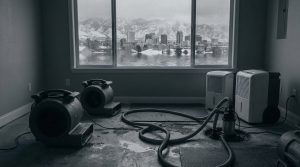
If you are dealing with water in your home in Salt Lake City, the cleanup you need is fast extraction, drying, and decontamination, handled in a way that prevents mold, protects your health, and gives you the best chance of having insurance cover the damage. That is really the core of what water damage cleanup Salt Lake City homeowners need: get the water out, dry everything fully, and make the space safe and livable again, without dragging the process out for weeks.
That sounds simple written in one sentence, but in real life it feels messy. The water is in places you cannot see. You are trying to decide what to throw away while your insurance app is asking you to upload photos. And Salt Lake has some unique factors that change how fast things dry and how much damage you are really facing.
I will walk through what actually happens in those first hours and days, what local homeowners often miss, and where you can handle things yourself versus when you probably need help from a restoration crew.
Salt Lake City has its own kind of water problems
When people think of water damage, they picture flooded basements from rivers overflowing. That happens, but in Salt Lake City, the main sources of water damage are a bit different:
- Broken or aging plumbing inside older homes
- Sprinkler line breaks that soak basements from the outside
- Snow melt that slowly seeps into foundations in late winter and early spring
- Roof leaks after big storms or heavy, wet snow
- Water heaters or supply lines letting go, especially in basements
The climate also plays a part. We often talk about how dry the air is here, so people think, “The house will dry out on its own.” It is not that simple.
Salt Lake City feels dry, but inside a soaked wall, there is almost no air flow and plenty of materials that hold moisture for weeks.
The dry outside air can help if you move air the right way. If you do not, the moisture gets trapped in insulation, behind baseboards, and under flooring. That is when mold and long term damage start.
The first 24 hours: what you do now matters most
The first day is the most stressful. You might be standing in a flooded basement at midnight with no idea what to do next. I have seen homeowners spend two hours searching for towels while more water keeps coming in. That is not a judgment, just what panic looks like.
Step 1: Stop the water at the source
This part is boring but critical. No cleanup matters if water is still coming in.
- Shut off the main water supply if a pipe, toilet, or appliance is leaking.
- If it looks like an electrical risk, do not touch standing water until the power is off to that area.
- If the water is coming from outdoors, like from rain or yard flooding, try to divert it with temporary barriers or move items out of the path.
Many people delay the shutoff because they do not know where the valve is, or they are worried about breaking it. That hesitation can add hundreds or thousands of dollars in damage.
If you live in Salt Lake City and do not know where your main shutoff is, finding it today is one of the cheapest “home projects” you can do.
Step 2: Decide if the water is safe to handle
This part is not talked about enough. Not all water is the same.
| Type of water | Typical source | Can you handle some of it yourself? |
|---|---|---|
| Clean water | Broken supply line, sink overflows, rain coming through a roof leak | Often yes, if you act fast and gear up with gloves and basic protection |
| Gray water | Washing machine, dishwasher, some toilet overflows without solid waste | Maybe; more risk from bacteria and chemicals, so you need more care |
| Black water | Sewer backup, flood water from outside that has run across soil and streets | Usually no; best handled by trained crews with proper safety steps |
I think homeowners sometimes underestimate how bad gray and black water can be. It is not about being dramatic, it is about long term health and odor issues. If the water has any sewage in it, or if it came from outside and has mud and debris, treating it like clean water is a mistake.
Step 3: Start extraction, not just drying
One common misunderstanding in Salt Lake homes is the focus on fans before extraction. People set up fans and open windows while there is still an inch of water on the floor.
Drying starts with removing bulk water, not just blowing air across the surface.
Here is a simple way to think about it:
- Use a wet/dry shop vacuum to pull up standing water.
- Move furniture and personal items to a dry area, or at least elevate them.
- Remove rugs and mats that trap moisture against flooring.
Once liquid water is gone, then drying equipment, dehumidifiers, and fans can actually work. Without that, the room feels like it is drying, but the building materials stay wet underneath.
What professional water damage cleanup usually looks like
Even if you want to do as much as possible yourself, it helps to know how a professional team in Salt Lake City usually handles a job. It can guide your own efforts and help you judge whether a quote is reasonable.
Initial inspection and moisture mapping
A good crew does not rely on what “looks” dry. They use meters that measure moisture in walls, floors, and ceilings. They may also use thermal cameras to see patterns of cold, damp areas behind surfaces.
Key things they check:
- Where the water traveled horizontally and vertically
- Which materials are saturated, like insulation, drywall, baseboards
- Any signs of contamination from soil, sewage, or chemicals
In Salt Lake City, basements and split level homes make this mapping especially important. Water can run behind finished walls and under stairs in ways that are not obvious at all.
Water removal and material decisions
After the initial mapping, there is usually a mix of extraction and “demo” work. I will be honest, the demo part sometimes surprises people. They expect fans, not saws.
Typical choices include:
- Pulling baseboards to let walls breathe
- Drilling small holes at the bottom of walls to move air inside the cavities
- Removing soaked carpet padding but saving the carpet when possible
- Cutting out sections of drywall that are too saturated or contaminated
This feels aggressive at first. But leaving wet materials in place often leads to hidden mold or warping later. I have seen homeowners refuse to have drywall cut, only to pay more months later to repair mold and structural issues.
Drying, dehumidification, and air movement
Once the loose water is gone and the space is opened up, the real drying starts.
Crews usually bring in:
- High capacity dehumidifiers to pull moisture from the air
- Air movers to push dry air across wet surfaces
- Sometimes, heaters to help speed up evaporation
Salt Lake’s relatively dry climate can help, but only if the room is set up correctly. Sometimes windows stay closed to control the environment. Other times, short bursts of outside air help. There is no single rule that fits every house, which is where experience counts.
Drying usually takes anywhere from 2 to 7 days, depending on:
- How long the water sat before cleanup started
- How deeply materials were soaked
- The temperature and humidity inside and outside
Cleaning, disinfection, and odor control
Once the structure is drying, high touch surfaces and contents need cleaning. This is where gray and black water cases need extra care, but even clean water can cause odors and staining if it sits.
This part might include:
- Cleaning hard surfaces with appropriate solutions
- Applying antimicrobial products to surfaces that were wet
- Cleaning or treating carpets and upholstery, or discarding them if they are not salvageable
- Using air scrubbers or filters to deal with smells and particles in the air
Sometimes people think smell is only about convenience. If it smells bad but looks fine, they try to live with it. That can be a sign something is still growing in hidden spaces.
What Salt Lake City homeowners can do themselves
You do not have to call a company for every spill. Some situations can be handled with household tools and a bit of patience.
Good candidates for DIY cleanup
These situations are often manageable on your own, as long as you move quickly and stay realistic about the limits.
- A small area of clean water from a sink overflow caught within an hour
- A localized leak under a sink that has not soaked walls or cabinetry deeply
- A minor washing machine overflow that you stop right away
For these, a shop vacuum, fans, and a basic household cleaner might be enough. Take photos, keep receipts for any tools you buy, and check for swelling, staining, or odor over the next week.
Situations that usually need help
There is a line where doing it yourself starts to cost more in the long term. Some fairly common Salt Lake scenarios cross that line:
- Water in basements that covers a large area, even if it is only a thin layer
- Any sewer backup, even if it seems small
- Water that has been sitting unnoticed for more than 24 to 48 hours
- Water that has reached insulation, multiple rooms, or upper floors
I know it can feel like calling in help right away means you are giving up control. It may actually give you more control later, especially with insurance and long term repairs.
Salt Lake specific risks: basements, snow, and sprinklers
Cities have patterns. In this area, three patterns show up over and over when you look at water damage cases.
Basements and split levels
Many homes here have finished basements or at least partially finished ones. These spaces can hide problems:
- Water can seep in through foundation cracks and run under finished walls.
- Insulation can hold water against exterior walls, leading to mold in the colder months.
- HVAC ducts in basements can pull damp air through the house.
If your leak or flood is in a basement, assuming it is “not that bad” because you do not see standing water is risky. Testing with moisture meters is helpful, but not everyone has those. You can still look for soft drywall, swollen trim, and discoloration over the next several days.
Snow and seasonal melt
After heavy snow winters, the thaw often causes problems:
- Water pooling near foundations, then seeping down along walls
- Ice dams on roofs that push water under shingles and into attics
- Slow leaks that show up as stains weeks after the snow melts
People sometimes assume winter water damage is “less serious” because the water is cold. The temperature does not change how long materials stay wet once the house warms back up.
Sprinklers and landscaping
Another pattern in the valley is exterior sprinkler problems. A broken line or head can soak soil against a foundation for days or weeks.
Signs to watch for:
- Damp carpets next to exterior walls after watering days
- A musty smell in one corner of a basement, especially near window wells
- Paint bubbling or peeling low on walls that face the yard
These slow leaks often do more hidden damage than a single dramatic flooding event. The cleanup might require opening walls and addressing both moisture and possible mold growth.
Working with insurance without losing your mind
Water damage and insurance in Salt Lake City can feel like a second disaster. Some claims go smoothly. Others drag on, especially when there is any question about maintenance, frozen pipes, or outdoor sources.
Document right from the start
Before you move too many things, take photos and short videos.
- Wide shots that show full rooms and water levels
- Close ups of damaged items, flooring, and walls
- Photos of the source if you can access it safely, like a broken pipe or failed valve
Store these in more than one place. Email them to yourself or back them up online. It is easy to lose track when you are juggling cleanup, kids, work, and calls with your insurer.
Understand what is usually covered and what is not
Policies can be tricky, and I am not an insurance agent, but patterns show up:
- Sudden and accidental events, like a pipe bursting, are often covered.
- Long term seepage, poor maintenance, or exterior surface water may be excluded.
- Sewer backups often require a separate rider or extra coverage.
The hard part is that one event can feel sudden to you but still be treated as a maintenance issue. For example, a slow roof leak that shows up after a storm might be argued as a long term problem.
This is one area where restoration companies that work often with local insurers can sometimes help you present the facts clearly. You do not have to agree with every decision they suggest, but hearing how similar claims played out for other Salt Lake homeowners can give you some context.
Common mistakes homeowners regret later
No one handles every step perfectly. I have seen people do brilliant things in a crisis and miss something simple at the same time. That is normal. Still, it helps to know the frequent missteps.
Rushing to rebuild before everything is dry
Once the water is gone and the room feels dry, the urge to put life back together is strong. People reinstall baseboards, repaint, and move furniture back into place after only a couple of days.
If the structure is not dry all the way through, rebuilding early is like sealing moisture into a box and hoping for the best.
Drying should be measured, not guessed. Moisture meters can confirm when wood, drywall, and subfloors are back in a safe range. If you do not have tools, at least give it several more days than your instincts tell you, especially in cooler months.
Throwing away items too fast or too slow
This one is emotional. Some people toss almost everything because it feels contaminated. Others hold on to items that will never dry properly, hoping they can be saved.
A rough guide:
- Porous items like pillows, cheap particle board furniture, and soaked cardboard are often not worth saving, especially in gray or black water.
- Solid wood, metal, and some plastics can often be cleaned and dried.
- Photos, documents, and keepsakes may be recoverable if dried quickly and handled gently.
When in doubt, take photos for insurance, then make a clear decision. Half measures, like piling damp items in a corner to “sort later,” tend to lead to mold and bad odors.
Ignoring hidden spaces
Water loves hidden spaces:
- Behind tubs and shower walls
- Inside built in cabinets or closets that share walls with the leak
- Under stairs and in utility rooms that no one checks often
If your water incident was near any of these, it is worth inspecting, even if it means pulling access panels or drilling small inspection holes. Repairing small cutouts now costs much less than remediating a large mold problem later.
How to prepare before water damage happens
Not all water damage is avoidable, but a bit of preparation can reduce how bad it gets. It also makes you less likely to panic if something does go wrong.
Simple steps that help a lot
- Find your main water shutoff and label it clearly.
- Install leak sensors near water heaters, under key sinks, and behind washing machines.
- Check sprinkler coverage and look for overspray on walls and windows.
- Inspect gutters and downspouts so water drains away from the house.
- Store important documents and keepsakes in waterproof containers, especially in basements.
None of these stop every disaster, but they can buy you precious minutes or keep the worst damage away from your most irreplaceable items.
What good water damage cleanup gives you in the long run
It is easy to see water cleanup as a painful cost. Fair enough. But if it is done well, it protects more than your flooring.
- Your health, by reducing mold, bacteria, and moisture related allergens.
- Your home value, by preventing hidden structural issues and visible staining.
- Your insurance history, by turning a chaotic event into a clearly documented claim.
I think the hardest part as a homeowner is deciding where to draw the line between “this is just a mess” and “this could affect my house and health for years.” That line is not always obvious in the first hour, when you are standing in wet carpet wondering what to do next.
So here is a simple way to check yourself: ask two questions after you have done the obvious first steps.
- Is any water in contact with walls, insulation, or structural wood?
- Has any water been sitting for more than a few hours where I cannot clearly see under or behind it?
If the answer to either is yes, that is your signal to slow down, document, and seriously think about calling in help or at least getting professional advice.
Question and answer: what homeowners usually ask
How fast do I need to act after water damage?
As fast as you reasonably can. Within the first few hours is best for limiting damage and having more options. After 24 to 48 hours, the risk of mold and deeper structural issues goes up a lot. That does not mean there is no hope after two days, but the cleanup often needs to be more aggressive.
Can the dry Salt Lake air handle drying without equipment?
Sometimes it helps, but not by itself. Air movement and dehumidification matter more than just “dry” climate. Inside a wall cavity, the outside humidity does not help much. Think of the climate as a small help, not a full solution.
Is every water damage event an emergency?
No. A small spill or brief leak that you catch and dry quickly might just be an annoying chore. The trouble is that many events that seem small at first turn out to be larger once you check behind surfaces. When in doubt, inspect more carefully rather than assuming everything is fine.
How do I know if something behind the wall is still wet?
The best way is with a moisture meter, which some homeowners buy or borrow. If you do not have one, watch for ongoing musty smells, paint bubbles, or soft areas on walls and trim. If any of those show up or get worse over several days, the inside of the wall is a suspect.
What is the biggest mistake people make after water damage?
If I had to pick one, it would be treating the event as finished once the visible water is gone. The visible part is only the first layer. The real success comes from what you do over the next few days, checking for hidden moisture, watching for smells, and being willing to pull materials or bring in help before problems grow.