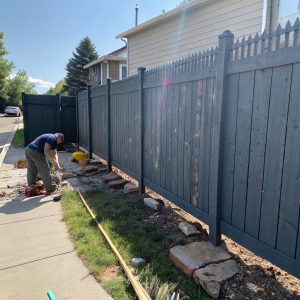
If you own a home in Cypress and you have a fence, you will need repairs at some point. That is simply how wood, metal, sun, and rain work together over time. If you just want a fast answer on what to do, here it is: walk your fence once or twice a year, fix small problems early, keep wood off the ground, protect it from moisture, and call a local Fence Repair Cypress professional when posts lean, panels sag, or gates stop closing right.
That is the short version. The longer version is where things get a bit more interesting, especially if you like practical home tips and small money decisions that can snowball over a few years. A fence is not as dramatic as a roof or a kitchen remodel, but it quietly affects your privacy, your safety, and even how your yard looks from the street. Some people say fences are boring. I think they are more like that background character in a movie that holds the whole scene together.
Why fence repair matters more than most people think
If you ask people what part of their home they ignore, the fence is often near the top of the list. Until something breaks. Then it jumps into the emergency category overnight.
Here are a few reasons why paying attention to your fence in Cypress actually matters, even if it feels like a small thing compared to big national stories or tech news.
- Your fence affects safety for kids and pets.
- It shapes how private your yard feels when you sit outside.
- It influences what your neighbors see and what you see.
- It can affect home value during sale or appraisal.
- It can create tension with neighbors if a shared fence starts to fail.
Many of those are not dramatic. They are quiet, daily quality-of-life things. You notice them more when they go wrong. For example, a small gap under your fence might not seem like anything, until a neighbor’s dog uses it as a shortcut and shows up in your yard. Or until your own dog finds freedom and the whole street joins the search.
Small fence repairs usually cost less than the trouble caused by ignoring them.
There is also the weather side. Cypress gets heat, humidity, bursts of heavy rain, and the occasional wind that can knock a fence out of alignment in a single afternoon. Sunlight dries wood, then rain swells it, and the repeated cycle cracks boards and loosens fasteners. So if you live here, fence repair is not a rare event. It is part of normal home care, like checking smoke alarms or cleaning gutters, just less talked about.
Quick self-check: is your fence actually in trouble?
Before anything else, you need to know what kind of shape your fence is in right now. Not a vague sense, but a simple, honest check. This does not need tools. It needs 10 to 20 minutes and a bit of attention.
A simple walk-around routine
Take a slow walk along your fence and notice:
- Posts: Are any leaning, loose at the base, or moving if you push them gently?
- Rails: Are the horizontal pieces cracked, warped, or detached from posts?
- Pickets or panels: Any missing, rotten, split, bowed, or touching the soil?
- Fasteners: Are nails or screws rusted, popped out, or barely holding?
- Bottom edge: Is wood sitting directly on dirt or mulch, staying damp after rain?
- Gate: Does it sag, scrape, or fail to latch properly?
- Metal sections: Any rust, chipped coating, or bent parts?
You can even treat this like a small inspection checklist you do twice a year, maybe after the wettest months and after the hottest. I sometimes pair it with another task, like trash can day, so it actually happens.
When a fence problem is urgent
Some problems can wait a few weeks. Others should not. Here are signs your fence needs faster attention:
- A leaning post that keeps getting worse.
- Loose panels that move in the wind.
- A broken section near a street or pool.
- Gaps large enough for children or pets to slip through.
- A gate that no longer locks or latches.
If a section of fence can fall or allow someone to get through when they should not, treat that repair as a priority.
You might be tempted to delay. People think “it survived the last storm, so it will probably be fine.” Sometimes it will. Sometimes it will not. Repairing a single leaning post costs far less than rebuilding 20 feet of damaged fence that pulled apart when that post finally failed.
Typical Cypress fence problems and what causes them
Fences in Cypress face a mix of sun, humidity, and soil conditions that can be tough on materials. Not every problem is unique to this area, but the combination makes some issues more common.
| Common problem | Likely cause | How urgent is it? |
|---|---|---|
| Leaning posts | Rotten wood at base, loose concrete, soil movement after rain | High, can lead to collapse |
| Loose or missing pickets | Rusty fasteners, wind, swelling and shrinking of wood | Medium, higher if near street or pool |
| Rot at bottom of boards | Constant moisture from soil, mulch, or poor drainage | High, spreads quietly and weakens structure |
| Sagging gates | Hinge strain, loose screws, warped frame | Medium, higher for security |
| Rust on metal fences | Coating damage, standing water, age | Medium, higher if near joints or welds |
Looking at that table, it is easy to think “I will just replace the whole fence when it gets bad.” Sometimes that is the right move. But often a fence has many good parts and only a few problem spots. Replacing a couple of posts and some pickets can extend the life of the fence for years. It is not as satisfying as getting a brand new one, but it is usually kinder to your budget.
Wood fence repair basics for Cypress homeowners
Wood fences are very common in Cypress. They offer privacy, they look familiar, and people understand them. They also take more care than many think. Here are some practical ideas for keeping them going longer and fixing issues without making things worse.
1. Keep wood out of constant contact with soil
This point seems simple. Still, I see so many fences with boards buried in mulch or touching dirt all along the bottom. That line stays wet, collects insects, and rots faster than the rest. If you do only one thing for your wooden fence, do this:
Leave a small gap between the bottom of your wooden fence boards and the ground to reduce moisture and rot.
It does not need to be a huge gap, usually around 2 to 4 inches. Enough to let air flow. Enough that mulch or grass does not constantly press against the wood. If you already have boards touching the soil and you see dark, soft spots, those boards probably need replacement, not just cleaning.
2. Deal with loose boards and rails early
A board that moves today can fall tomorrow. A rail that starts to split can break fully on a windy day. Fixing these early saves time and money.
For small repairs, you might:
- Replace rusted nails with exterior-grade screws.
- Add a support block where a rail has minor damage.
- Swap out a single rotten board for a new one of the same size.
When you replace fasteners, use ones made for outdoor use, such as coated or stainless steel. Regular interior screws corrode faster and stain the wood, which does not help appearance or strength.
3. Watch for rot at the posts
Posts hold everything up. If they fail, the rest follows. For wooden posts set in the ground, the main problem area is usually right at or just below soil level. That is where moisture sits. A post can look fine on top and be hollow inside at the base.
Signs of trouble:
- Post moves if you push it sideways.
- Soft, crumbly wood near the base.
- Post leans and does not spring back.
There is a harsh truth here. Once a post is rotten at the base, “quick fixes” like strapping it to the neighbor post or adding a bit of concrete on one side rarely last. They might buy time, but they do not solve the underlying problem. Replacing that post is usually the long term answer, even though it can feel like overkill for one leaning section.
4. Seal and stain, but do it with a plan
Homeowners often ask if they should stain or seal their fence. In a place like Cypress, where sun and moisture both attack wood, some sort of protection helps. Stain or sealant can slow down cracking, warping, and graying.
The part that people forget is that one coat is not forever. It fades. It wears off. So before you start, think about maintenance. Are you willing to reapply every few years? If not, you might choose a different approach, or at least accept that the fence will change color over time.
A few practical tips:
- Clean the fence first so the product can soak in.
- Use a product made for exterior fences, not interior wood.
- Apply in dry weather, without rain in the forecast that day.
- Test a small spot to see how the color looks once dry.
I know some people prefer the natural gray of aged wood and skip stain. Others like a fresher look and are happy to keep up with the coatings. Both choices are fine. Just try to be honest with yourself about the level of ongoing work you want.
Metal and vinyl fence repair basics
Not every fence in Cypress is wood. There are metal fences around pools and yards and vinyl fences in some neighborhoods. Each one has its own pattern of issues.
Metal fences: rust and bent sections
Metal fences often feel stronger than wood. In some ways, they are. They do not rot. They resist insects. But they have a different enemy: rust. Once rust starts and is left alone, it can spread along the surface and into joints.
Simple steps to keep a metal fence in better shape:
- Rinse dirt and grass clippings off from time to time.
- Touch up chipped paint or coating where bare metal shows.
- Sand small rust spots before they grow, then repaint.
For bent sections, such as a panel hit by a wheel or a fallen tree branch, the fix depends on how bad it is. Light bends might be straightened. More serious damage can require panel replacement. At that point, many homeowners bring in a professional, mainly because working with metal can need tools and skills that are less common in a regular garage.
Vinyl fences: cracks and loose posts
Vinyl does not rot or rust. It handles moisture well. But it can crack from impact, and it can fade or become brittle over many years of sun exposure.
Common issues:
- Cracked panels from impact or cold stress.
- Loose posts from weak concrete or soil movement.
- Gaps at joints if hardware loosens.
Small cracks sometimes get patched, but larger ones usually need a panel swap. It is a bit like siding. Once the structure is damaged, patching often looks bad and does not last as long as a proper replacement. Tightening hardware is more straightforward, as is re-setting a slightly loose post with added support or concrete.
DIY fence repair vs hiring a Cypress pro
Many homeowners wrestle with this question: fix it yourself or call someone. There is no single right answer, and I think both options have their place.
When DIY repair makes sense
You might handle repairs yourself when:
- The issue is small, like a loose picket, minor warp, or a misaligned latch.
- You already own basic tools and can safely use them.
- You have clear access to the damaged section.
- You are willing to accept that the result may not look perfect.
For example, fixing a gate latch that does not close properly can be as simple as adjusting hinge screws or moving the catch plate slightly. Replacing two or three bad pickets is also well within reach for many people with a drill, a saw, and some patience.
When a professional is the better choice
There are repair jobs that sound simple on paper but become messy in real life. These often involve structure rather than just appearance.
Consider hiring someone local when:
- Multiple posts are leaning or broken.
- You see widespread rot or termite damage.
- The fence runs along a property line and neighbors are involved.
- There are utility lines nearby that could be at risk if you dig.
- You want the repair to match an existing design as closely as possible.
There is also the time factor. If a repair that would take a professional crew one afternoon will steal your whole weekend and still leave you unsure of the result, it is not always a smart trade. Not everything has to become a personal project. You can save your energy for the jobs you enjoy more.
Talking with your neighbor about fence repair
This is where fence repair can shift from a simple home task into a small social challenge. Many fences in Cypress sit on the boundary between two properties. Both sides see the same leaning posts and aging boards. Who pays? Who decides what to do?
I am not offering legal advice here, and property laws can be specific. What I can say, from experience and from stories that come up often, is that early and clear communication helps more than people think.
Starting the conversation
Some people avoid talking to neighbors about fences until things are really bad. That tends to make the discussion harder. A gentle early talk sounds more like maintenance and less like blame.
You might say something like:
- “I noticed the fence between our yards is leaning a bit near the back. Have you seen that too?”
- “I am thinking about getting a quote to repair a few posts on this side. Would you be open to looking at it together?”
This kind of wording invites a joint problem instead of pointing fingers. It does not assume who is responsible, which might feel safer for both sides. In many neighborhoods, neighbors share the cost when a boundary fence needs major work. In others, one side pays more because they want a specific style. There is no single rule that fits all. The key part is that both parties understand what will be done and who covers which share.
Writing things down without making it formal or tense
This might sound overcautious, but having a brief message or email that recaps what you agreed on can prevent confusion later. Not a contract, just a note like:
- “We agreed to split the cost of replacing the three rear fence posts and panels. Contractor X will do the work next Friday.”
If anything changes, you both have a reference. It may feel slightly stiff at first, but many people say they were glad they had something written when the project took longer or cost a bit more than expected.
Preventive care: small habits that keep your fence going
Preventive care sounds dull. I know. But almost every professional who works on fences will say the same thing: the fences that last the longest belong to people who do little things consistently, not big rescues every 10 years.
Simple habits that make a real difference
- Keep sprinklers from soaking the fence daily. Watering plants is fine, but constant spray on wood or metal speeds up damage.
- Trim plants away from the fence line. Vines and bushes look nice, but they trap moisture against surfaces and hide problems.
- Clear debris from the base of the fence. Leaves and mulch piled up along the bottom hold water.
- Check after storms. A quick walk after heavy wind or rain can catch loose sections before they pull apart fully.
These tasks are not dramatic. They do not make a fence look brand new overnight. What they do is slow the aging process, which can save you from a costly full replacement years sooner than needed.
How fence repair ties into home value and local life
At first glance, fence repair feels like a small topic for a general advice site. But it connects to bigger themes people care about: home value, neighborhood appearance, cost of living, and even small-scale security.
Think about a street where several fences are falling, leaning, or patched with whatever scrap wood was available. The whole street feels a bit neglected. That can influence how buyers view the area, or how safe people feel walking at night, even if crime rates have not changed. On the other hand, solid, well kept fences do not jump out as impressive, but they create a quiet sense of order.
There is also the money side. Housing and repair costs are part of broader news cycles, and people feel them every time a contractor quote arrives. Learning to spot which repairs you can delay and which ones you should handle early is a useful skill. Fences offer a clear training ground for that judgment, because the signs of trouble are visible and the stakes are real but not extreme.
Common questions homeowners in Cypress ask about fence repair
Q: How often should I inspect my fence?
A simple check twice a year is usually enough for most homes. Once after the wettest season, once after the hottest. Add extra checks after strong storms or heavy winds. If you have pets or a pool, you might look more often at the sections that matter most for safety.
Q: When is it better to replace the fence instead of repairing it?
If more than about one third of the fence has serious problems like rot, leaning posts, or broken sections, repair costs can start to approach replacement. Also, if the fence is near the end of its typical life for its material and climate, you might spend less in the long run by replacing instead of chasing one repair after another.
Q: Can I just repair the sections I see from my side and ignore the rest?
You can, but it might not be wise. Fences work as a connected structure. A weak section hidden behind a shed or trees can still pull on the stronger sections during strong wind. It is better to consider the fence as a whole, even if you choose to fix it in stages.
Q: Do I really need to seal or stain my wood fence?
You do not have to. Many people let their fences age naturally. That said, stain or sealant can extend the life of the wood and slow down cracking and warping. The tradeoff is that you need to reapply it every few years. If you enjoy small maintenance projects, it is a good habit. If you know you will never touch it again, then accepting faster aging might be more honest.
Q: Is it worth calling a pro for a small repair?
Sometimes yes. If the repair is near utility lines, on a steep slope, or tied into a gate that needs to function smoothly, a professional can reduce the risk of making things worse. Also, if you do not own the right tools, paying for a small job can still be cheaper than buying tools you will hardly use again.
Q: What is one simple thing I can do this week to improve my fence’s life?
If you want one fast, clear action: walk along your fence and clear soil, mulch, and debris away from the bottom edge of the boards. Give the wood room to breathe. While you walk, gently push on posts and look for movement. That single habit can reveal hidden trouble early and slow down rot more than most people expect.